

Chicken subway demo slot walkthrough and features - how to play and review
Chicken Subway demo plays like a fast-paced slot with an RTP typically around 95–96.5% and a medium-high volatility feel, so wins come less often but can be meaningful when they hit; minimum bets usually start in the $0.10–$0.50 range which suits short test sessions and tight bankrolls, and I treat sessions in 20–40 minute blocks to avoid tilt while chasing a bonus round that may include free spins. If you want a quick, risk-free run-through to learn the mechanics, chicken subway demo mode lets you spin without spending real balance and learn feature timing. Casinos hosting the demo often mirror their real-money lobby, so check available bonuses, promo codes, expected deposit/withdrawal speeds, KYC rules and live support before switching to a funded session.
| Feature | Typical |
|---|---|
| RTP | 95.0%–96.5% |
| Volatility | Medium–High |
| Min bet | $0.10–$0.50 |
The demo is a clean way to try out payline behavior and feature frequency without affecting your bankroll, and since the interface mirrors the cash game you can also test wagering patterns before committing real money; many players like to chicken subway free demo to practice stake management and test how multipliers land during bonus rounds. Remember that customer support and cashier limits differ by operator, so look at how quick deposits and withdrawals feel and whether the operator requires KYC before you can cash out a first win. Short practice runs will tell you whether the variance suits your style.
When you move from demo to real play, expect the feel to be roughly the same: hit frequency and RTP shouldn’t change, but psychological pressure does – treat each spin like a controlled experiment and cap losses per session to preserve your bankroll, as the game leans toward bigger, less frequent payouts and uses wilds in a way that can flip a round quickly. If you prefer to evaluate operators first, a lot of sites list chicken subway demo online in their free-play catalog so you can compare RTP display and bonus conditions across casinos. Keep staking small at first, note how bonus triggers behave, and contact support if something looks off.
The final move from practice to stakes is personal: use the demo to map feature timing and volatility, then set a session budget and stop-loss that fits your comfort level, and when you do try funded spins look for welcome offers but read wagering terms carefully; if you ever need help with account limits or KYC the casino support should be responsive. For a smooth transition, plan several demo sessions, then a short real-money trial with conservative bets so you know exactly what to expect from chicken subway demo play before scaling up.
Chicken Subway Demo: Managing Variance in Play
Using a demo to understand how a slot behaves is essential before staking real funds, and many players will try chicken subway demo specifically to observe payout rhythm without financial pressure. The demo lets you record observed streaks, average run lengths of non-winning spins, and how often bonus triggers cluster; that empirical eye-test is often more informative than headline numbers alone. Treat demo sessions as calibration runs for expected session swings.
Focus on variance metrics rather than only RTP: volatility dictates how jagged your bankroll curve will be and informs bet sizing and stop-loss levels. Pay attention to hit frequency and the relative size of wins versus the common payouts – a game with infrequent but large wins behaves very differently from a high-hit low-win title, so adjust your session plans accordingly. Short demo runs may mislead; longer samples smooth out noise.
Once you've built a personal profile of volatility, translate that into staking rules and loss limits; small, consistent bets can extend play during downswings and reveal whether bonus rounds are worth chasing in real money play. Many players open extended sessions to see how feature density behaves and to test whether the game tends to reimburse through base-game wins or through bonus payouts, so it's common to use the chicken subway demo online environment to refine those thresholds and trial cold-run scenarios.
Finally, use demo results to set practical expectations and bankroll segmentation: decide what portion of your stake will target big-variance outcomes versus steady returns, and predefine stop conditions for both profit and loss. Before moving to real wagers, confirm that your observed session outcomes align with acceptable drawdown probabilities by replaying longer sequences in the chicken subway free demo. This disciplined translation from practice to paid play is the core of effective variance management for this title.
Access trial environment for variance management

Accessing a trial environment is essential when you want to understand how a slot behaves across many spins without risking bankroll, and practicing this assessment is straightforward when you choose chicken subway demo play as your testing ground. In a dedicated demo you can log sequences of wins and losses to estimate streak lengths and approximate hit frequency, noting how often paytables trigger and whether the game leans toward long dry spells or frequent small returns. Keeping a basic spreadsheet of session runs reveals patterns in standard deviation and helps form realistic session stop-loss and target rules; you can also check the published RTP briefly to see how it aligns with your sampled results.
Using that safe space to trial staking strategies lets you quantify variance for different bet tiers, especially around feature-triggering thresholds, and this is where chicken subway demo mode proves its value. Try fixed bets, small progressive increases, and short burst staking while watching how often bonus-like events occur and whether multipliers appear in clustered sequences or disperse evenly. Because the environment eliminates cash consequences, you can repeat identical sequences to see how randomness distributes outcomes over runs, which clarifies whether the game’s swings are manageable for your preferred session length and bankroll plan.
Once you’ve built familiarity in a trial environment you’ll be better at translating observed variance into real-money strategy, so it’s wise to move to live play only after you try chicken subway demo. The practice helps set realistic expectations about losing streak durations and the frequency of larger payouts, reducing the impulse to chase and improving discipline with stop-loss points. Overall, rigorous demo testing sharpens risk controls and bankroll allocation decisions, giving you a defensible framework for managing variance before committing funds to the casino floor.
Gameplay tutorial walkthrough
Begin the walkthrough by mapping the exact trigger conditions that open the bonus sequence and noting the meter and symbol patterns that matter; practice timing and stake choices in a non-penalized environment such as chicken subway demo play. Emphasize reading the interface: which icons are sticky, how the countdown behaves, and when to expect a cascade into additional rounds, with attention to any free spins allocation shown on-screen.
Next, break the bonus round into decision nodes so a player can rehearse choices step by step. Walk through pick-me mechanics, progressive wheels, and temporal layers that alter payouts, highlighting where multipliers will attach and whether they are applied before or after line wins. Demonstrate the visual and audio cues that indicate guaranteed prize tiers versus probabilistic outcomes so the player understands immediate feedback.
Then analyze retrigger pathways and how successive activations change the internal economy; use a controlled session like chicken subway demo mode to stress-test whether extra rounds compound or replace existing rewards. Detail how substitute symbols behave inside the feature, when wilds expand or lock, and how that affects the expected depth of the bonus sequence over repeated plays, including any capped number of retriggers.
Walk players through conditional exits and fallback states: show what happens when the feature resolves to an end screen, how consolation payouts are calculated, and which on-screen elements (timers, meters, or scatter counters) persist into base play. Explain how scatters interact with bonus entries and whether they pay separately or serve only as triggers, so the player can interpret results rather than mistaking decorative animations for extra value.
Conclude with a guided practice routine to internalize optimal in-feature choices, recommending patterns to observe (frequency of high-tier outcomes, how often the wheel lands on the top segment) and logging samples for later review in chicken subway demo online. Encourage replay under varied bet sizes in demo to see how the bonus mechanics scale, so a player can learn the feature flow without risking real funds before committing to live play.
Practice control timing
When practicing control timing in casino play, expect a mix of small, frequent payouts and occasional larger swings; pay attention to payout expectations, the feel of variance and key session signs such as rapid bankroll shifts, timing of hits and how stake pacing affects outcomes.
Use short, focused drills to refine entry and exit points and try to replicate session conditions without pressure by using chicken subway demo online to observe cadence and variance without risking funds.
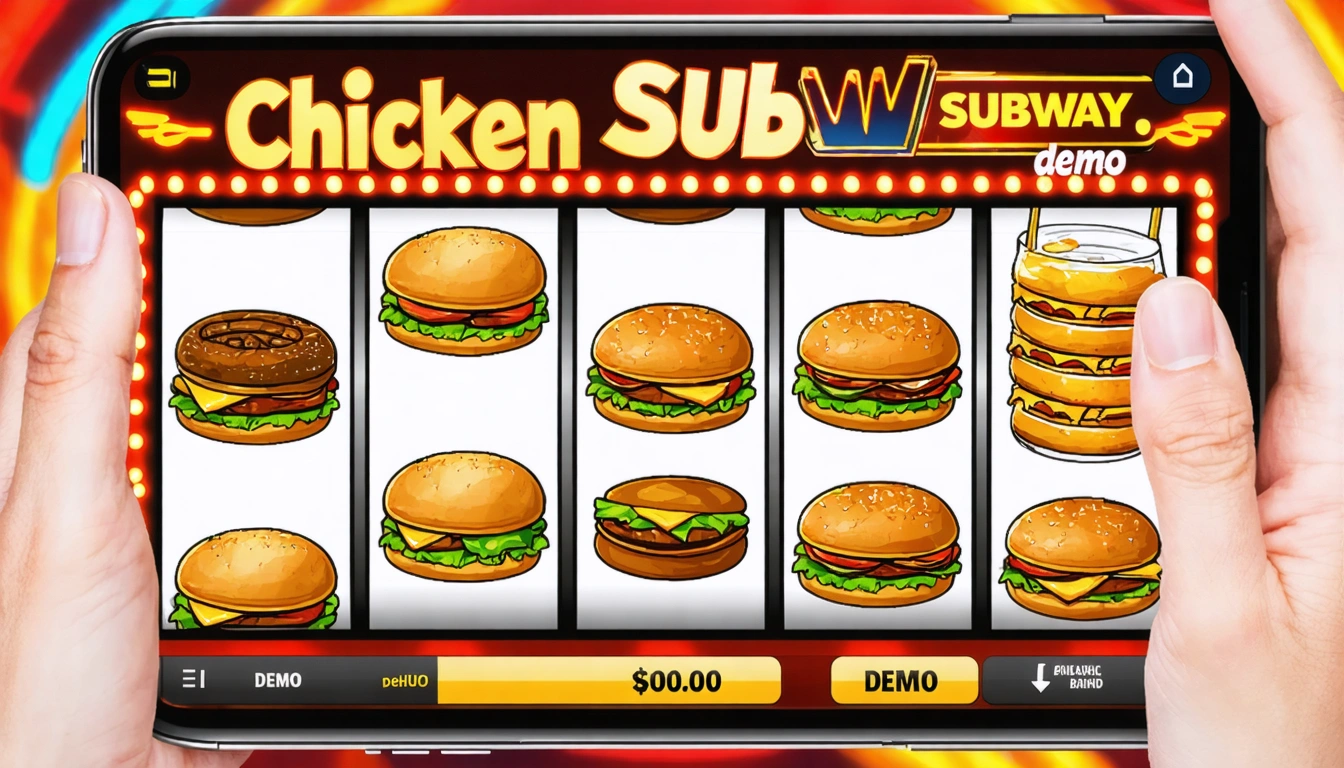
Always choose licensed casinos and check safety signals like visible licensing, secure connections and clear payment terms before applying timing tactics, and set hard limits, a stop-loss and planned cooldowns so practice stays controlled and conscious. Treat each timed exercise as data: log session length, reaction times and stake adjustments to tune your approach, and chicken subway practice can help you rehearse timing under realistic rhythms without real stakes. Keep sessions short, review variance feel between runs and enforce a cooldown or break whenever the stop-loss is hit. When you’re ready to expand testing, explore bonuses, promo codes and new slots alongside timing drills and try chicken subway demo mode to validate adjustments before betting real money.
Questions and answers:
What is the Chicken Subway demo?
The Chicken Subway demo is a short playable slice of the full title that shows core mechanics and a sample level. The chicken subway demo game lets you experience movement, obstacles, and a few power-ups before deciding on the full purchase.
How do I control the chicken in the demo?
Controls vary by platform but typically use arrow keys or swipe gestures for steering and jumping. To begin, chicken subway demo play is available from the main menu and will load a short trial level so you can test the inputs.
Can I try the demo online?
Yes, a browser version is provided so you can access the demo without installing additional software. The chicken subway demo online runs in supported browsers, though performance depends on your device and connection.
Is the demo free to use?
Yes, the demo is offered at no charge to let players sample the first stages and a subset of features. The chicken subway free demo includes limited levels and basic items so you can judge whether you like the core loop.
Where can I find tips to improve while playing the demo?
Watch obstacle timing closely and learn how each power-up alters speed and handling, then focus on consistent inputs. Replaying short segments helps build familiarity and improve precision during tricky sections.
